

The short answer
If your existing plaster is sound, a skim coat is usually enough. If it's cracked all over, hollow, crumbling or damp, a full re-plaster is the better fix. The right choice depends on the condition of the wall, so it's worth having it looked at before you decide.
What's a skim coat?
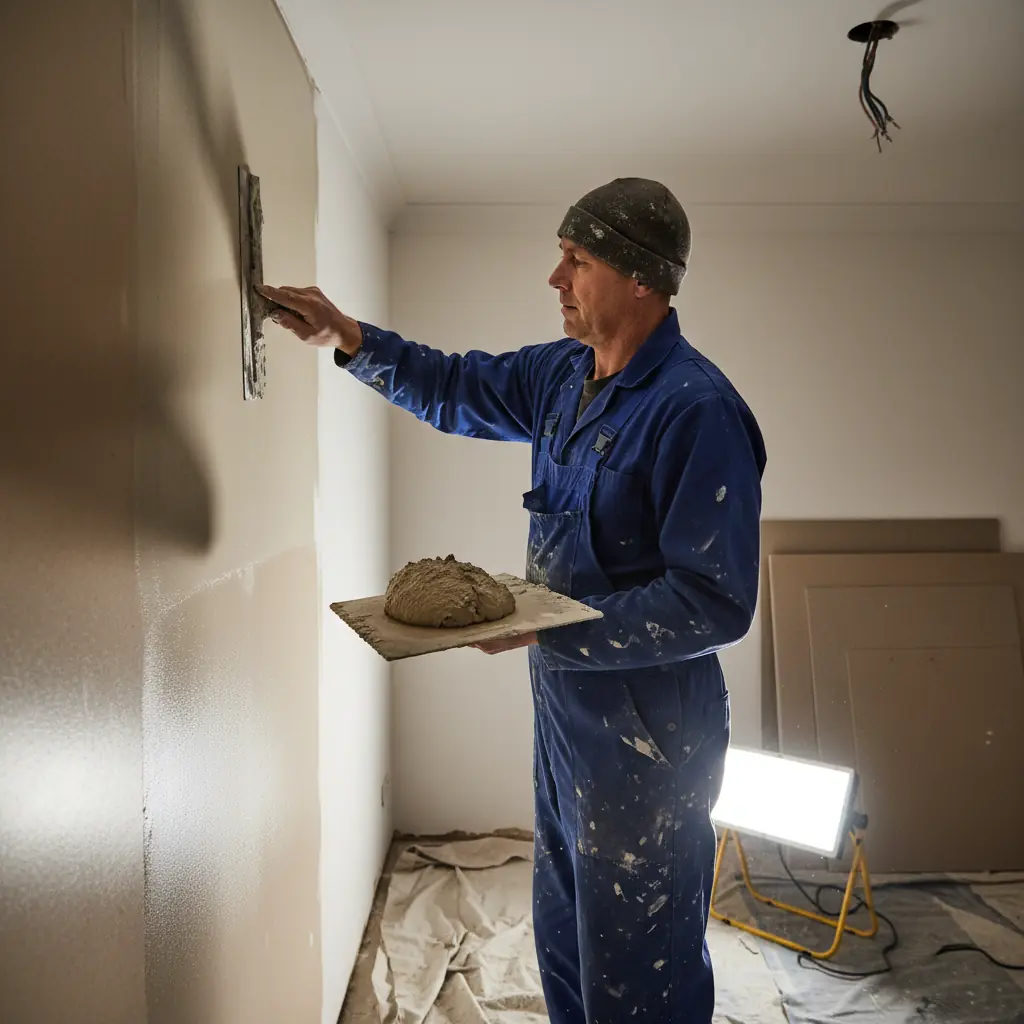
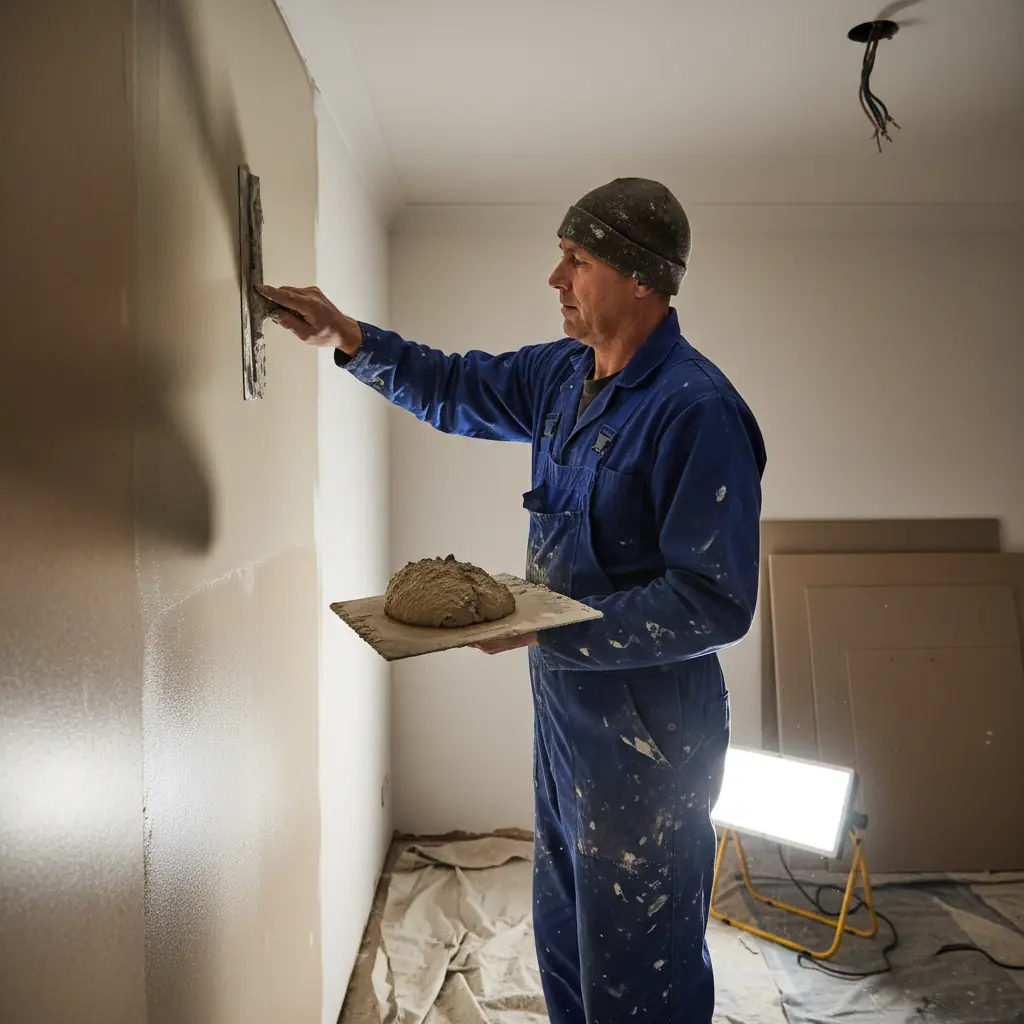
A skim coat is a thin layer of new plaster, usually a few millimetres thick, applied over an existing surface. It gives a fresh, smooth finish and covers minor flaws, such as small cracks and old paint marks. It's often used to prepare walls for decorating.
What's a full re-plaster?
A full re-plaster means taking the old plaster off the wall, down to the brick, block or stone, and applying new plaster in layers. It's a bigger and messier job, but it deals with problems that sit deeper than the surface.
When a skim coat is enough
A skim coat usually works well when:
- The existing plaster is firmly stuck to the wall.
- There are only small cracks or surface marks.
- The wall is dry.
- The surface is reasonably flat.
- You've removed wallpaper and want a smooth finish.
When you need a full re-plaster
A full re-plaster is usually the better choice when:
- The plaster sounds hollow when tapped, which means it's lost its grip.
- It's crumbling, flaking or coming away in places.
- There's damp, and the cause has been fixed.
- There are large or repeated cracks.
- Walls have been rewired or re-plumbed, so chases have been cut into them.
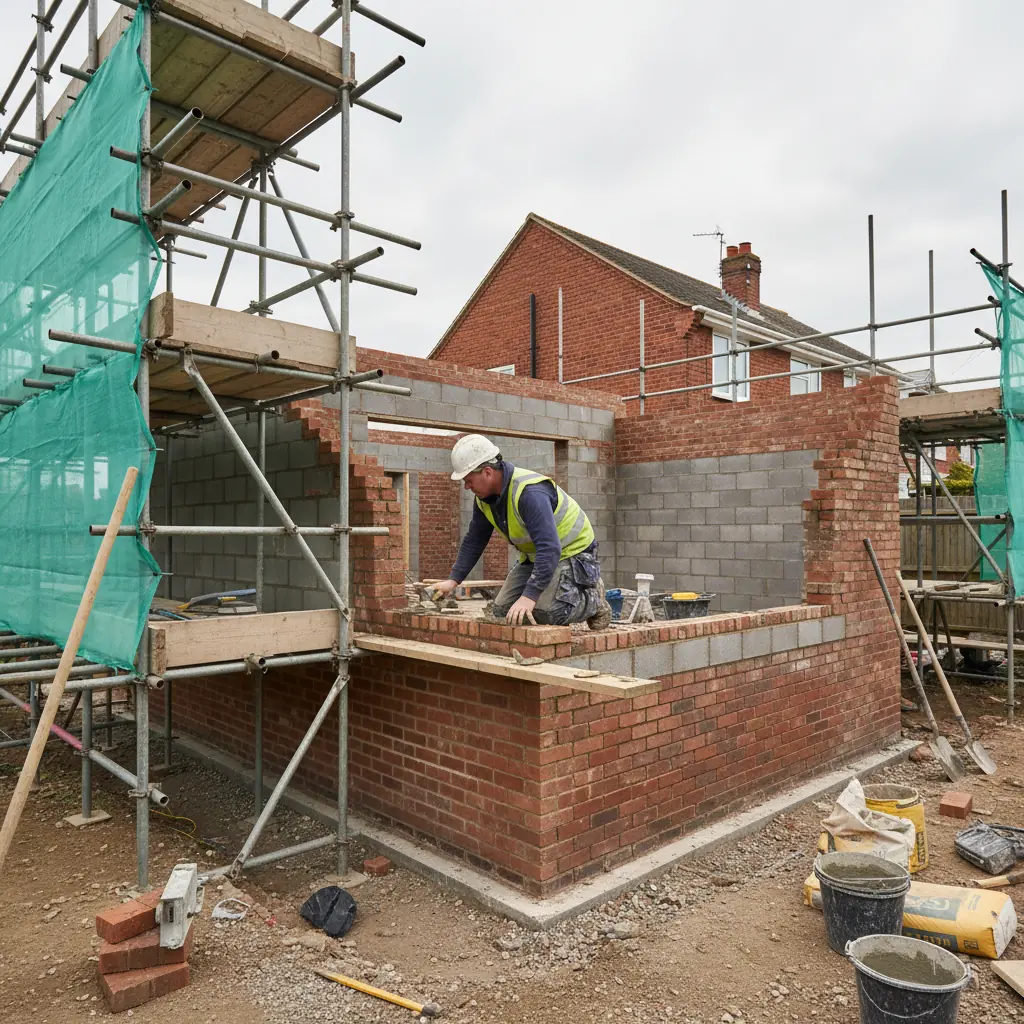
- You've built a new extension, or taken out and replaced part of a wall.
- The wall is very uneven.
What about damp?
Plaster can't fix damp. If a wall is damp, the first step is to find out why and put it right. Plastering over a damp wall without fixing the cause usually means the problem comes back. For older, solid-walled homes, the type of plaster matters too. See our guide on renovating older homes.
Another option: overboarding
Sometimes walls are covered with plasterboard and then skimmed. It can be a good solution where the old plaster is poor but removing it would be too disruptive. It does make the wall slightly thicker, and it isn't right for every wall, so it's worth asking.
What to expect from the job
- Mess. A full re-plaster is dusty, so rooms need to be cleared and floors covered.
- Drying time. New plaster needs to dry before you paint it. Rushing this can cause problems later.
- Decorating afterwards. You'll need to decorate once it's dry, and many people use a mist coat first.
- Planning the order. Plastering is usually done after first fix electrics and plumbing and before flooring and decorating.
How to tell which you need
It's hard to be certain from looking alone. Tapping the wall, checking the cracks and finding out about any damp will all help, but a professional can usually tell much more quickly.