


The short answer
If you're planning building work that touches or sits close to a wall or boundary you share with a neighbour, you may need a party wall agreement. It's a legal process that applies in England and Wales under the Party Wall etc. Act 1996, and it's separate from planning permission and building regulations. We're not lawyers, so this is a general guide, and you should take proper advice for your own situation.
What's a party wall?
A party wall is a wall that stands on the boundary between two properties, or is shared by them. The most common example is the wall between semi-detached or terraced houses. The Act also covers some garden walls and, in some cases, work close to a neighbour's foundations.
When might the Act apply?
The Act can apply when you want to:
- Build on or at the boundary with your neighbour.
- Cut into a party wall, for example to fit a beam.
- Raise, knock down or rebuild a party wall.
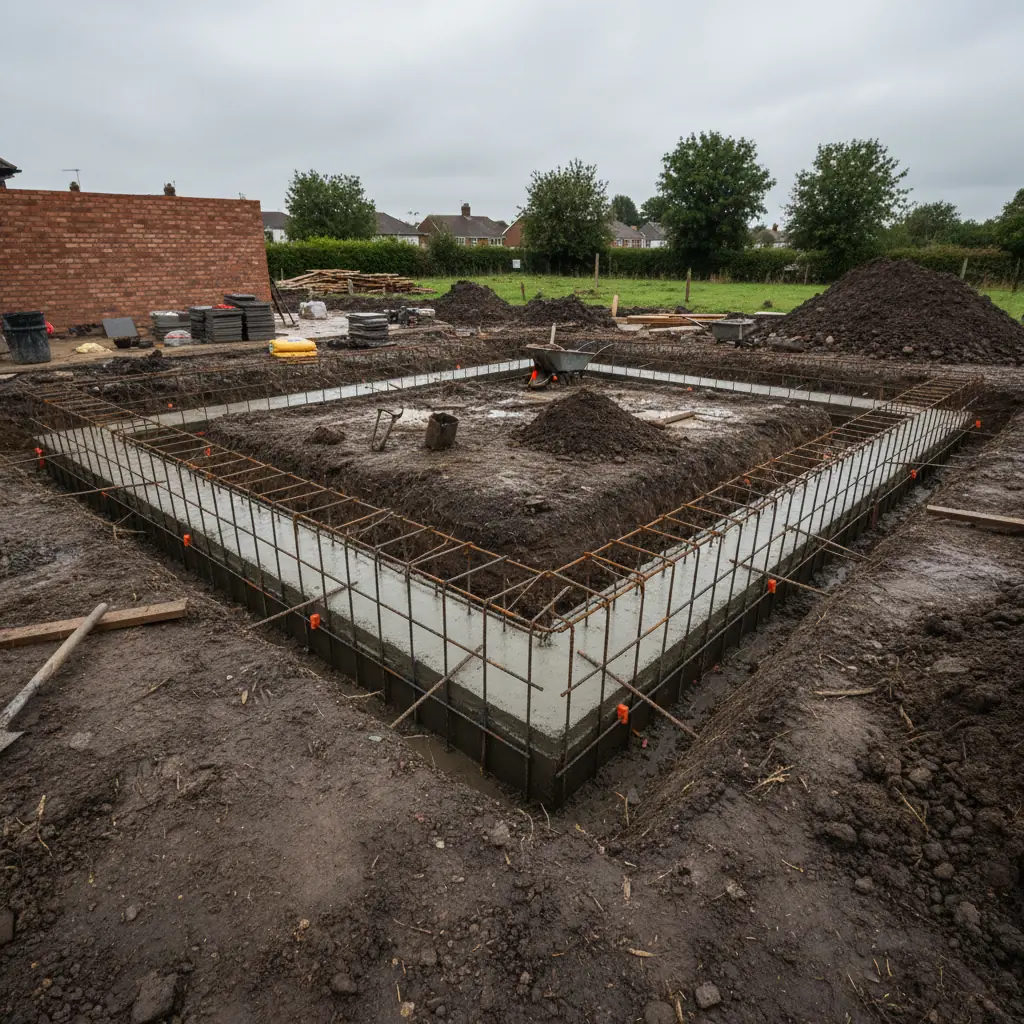
- Dig foundations close to a neighbour's building, within certain distances, and deeper than their foundations.
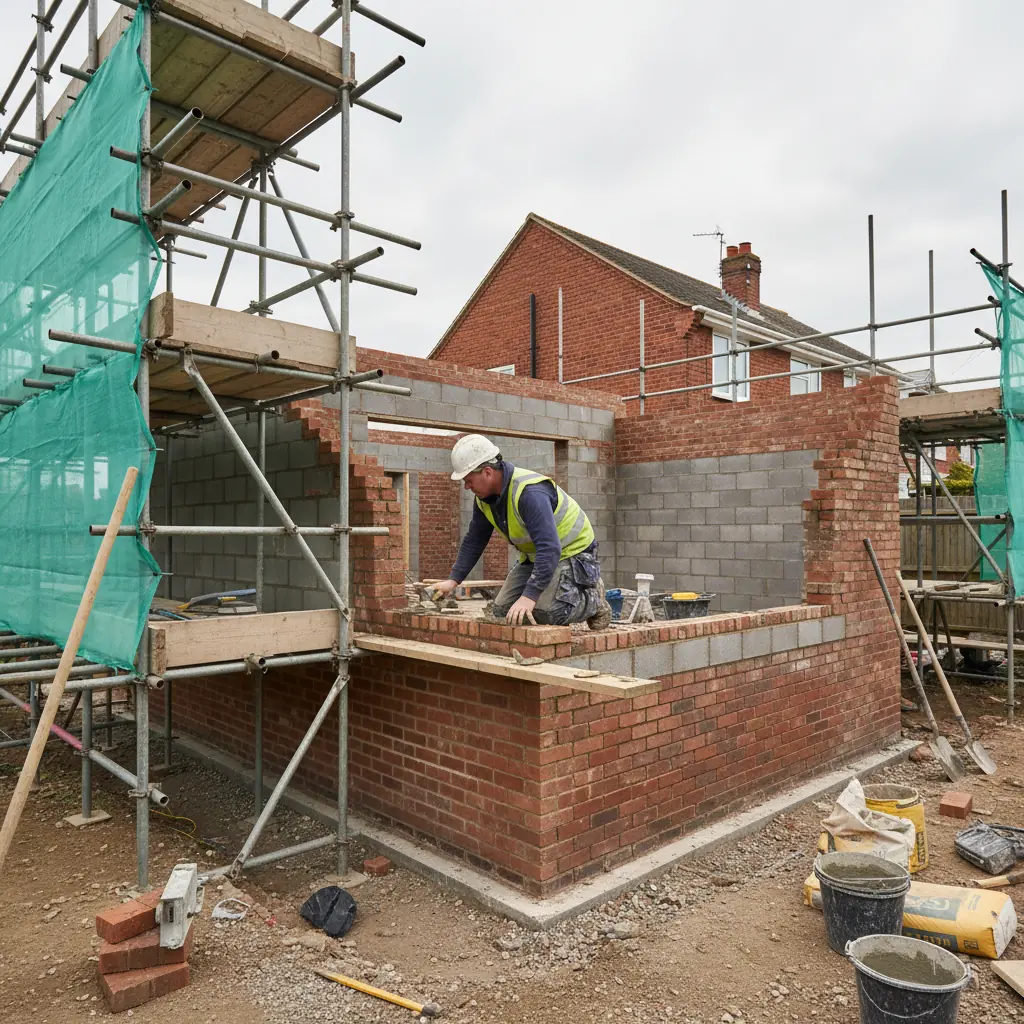
Extensions are a common trigger, particularly side return extensions, terraced and semi-detached houses and any work involving groundworks and foundations. The exact rules and distances are specific, so ask for advice about your own project.
What do you have to do?
If the Act applies, you (the building owner) must give your neighbour a written notice before work starts. The notice has to be served in good time, and the timescales are set out in the Act. Your neighbour can then:
- Agree to the work, in which case the process can be quick.
- Disagree, or not reply, in which case a dispute is treated as having arisen and surveyors get involved.
Surveyors
When there's a dispute, one surveyor can be agreed on by both owners, or each can appoint their own. The surveyor or surveyors then produce a party wall award, which sets out what work can be done, how and when, and often records the condition of your neighbour's property before work starts. As the building owner, you normally pay the reasonable costs.
What if you don't do it?
Ignoring the Act can cause serious problems. A neighbour could apply to stop the work, and it can lead to expensive disputes. It's far better to deal with it before work begins.
How is it different from planning permission?
Planning permission is about whether a building is acceptable. Building regulations are about how it's built. A party wall agreement is about your rights and responsibilities towards your neighbour. You may need all three for one project. Our guides on planning permission and building regulations cover the other two.
Tips for keeping neighbours onside
- Talk to them early, before any formal notice arrives.
- Explain what you're planning, how long it will take and what hours the work will happen.
- Be open about noise and dust, and about how you'll keep disruption down.
- Keep to what you've told them.
Good relationships with neighbours make the whole project easier.