The short answer
Sometimes you do, and sometimes you don't. Many house extensions in England can be built without planning permission under permitted development rights, but there are limits, and some homes have extra restrictions. Your local council can tell you for certain. What follows is a general guide to help you work out which way your project is likely to go.
When you probably don't need it
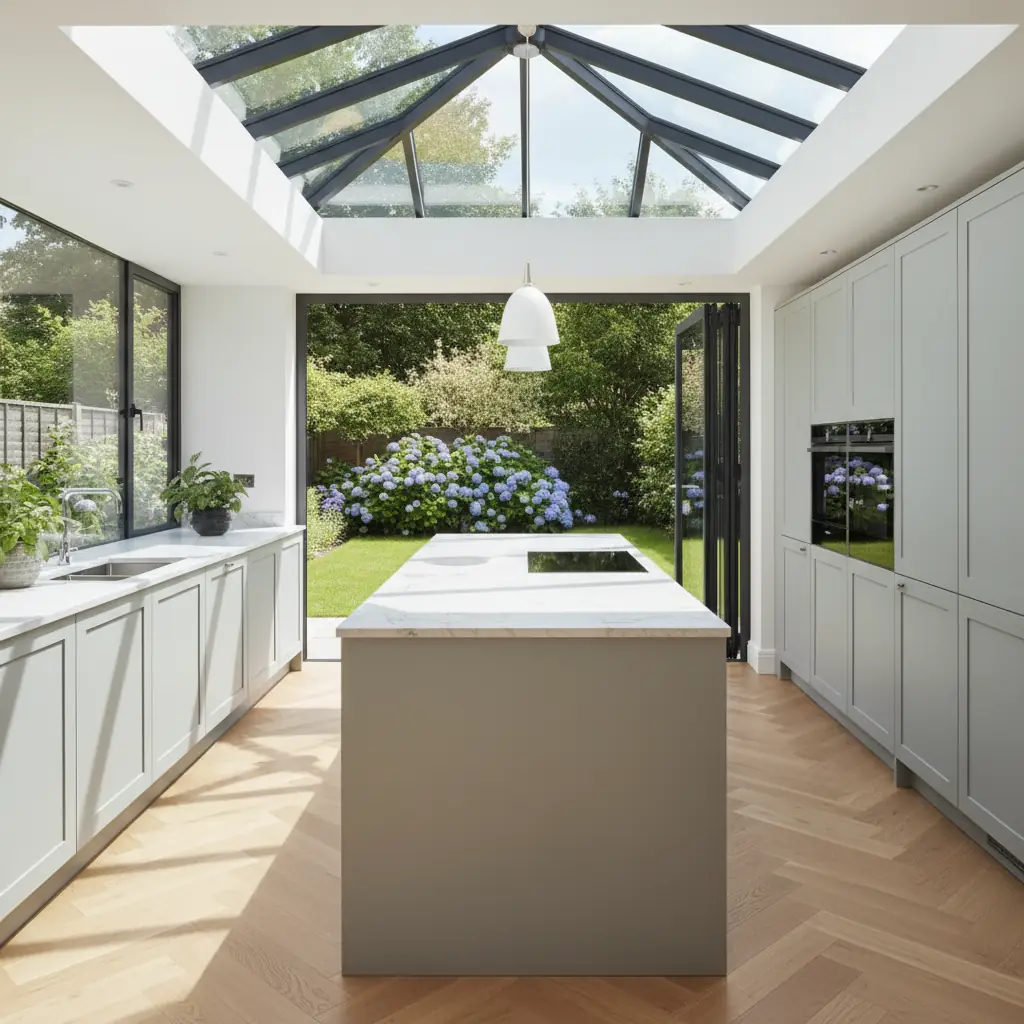
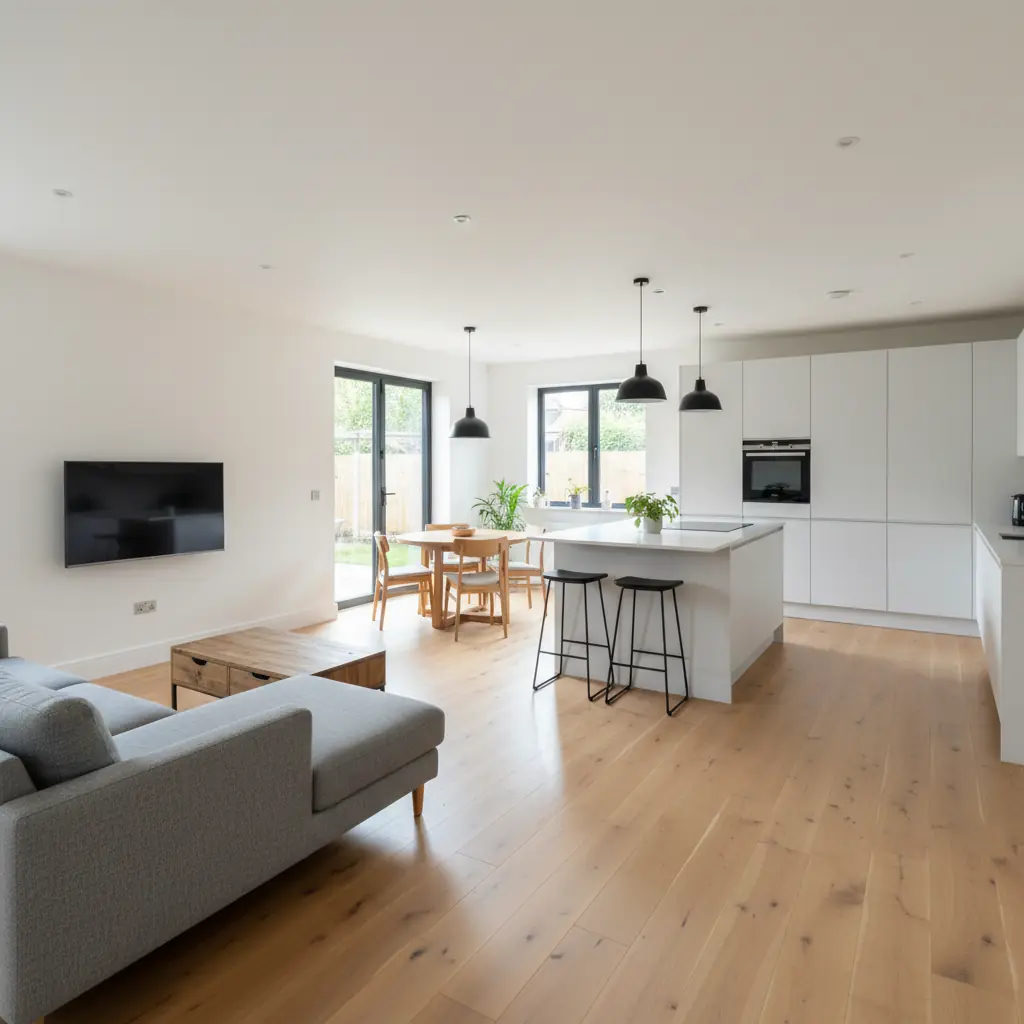
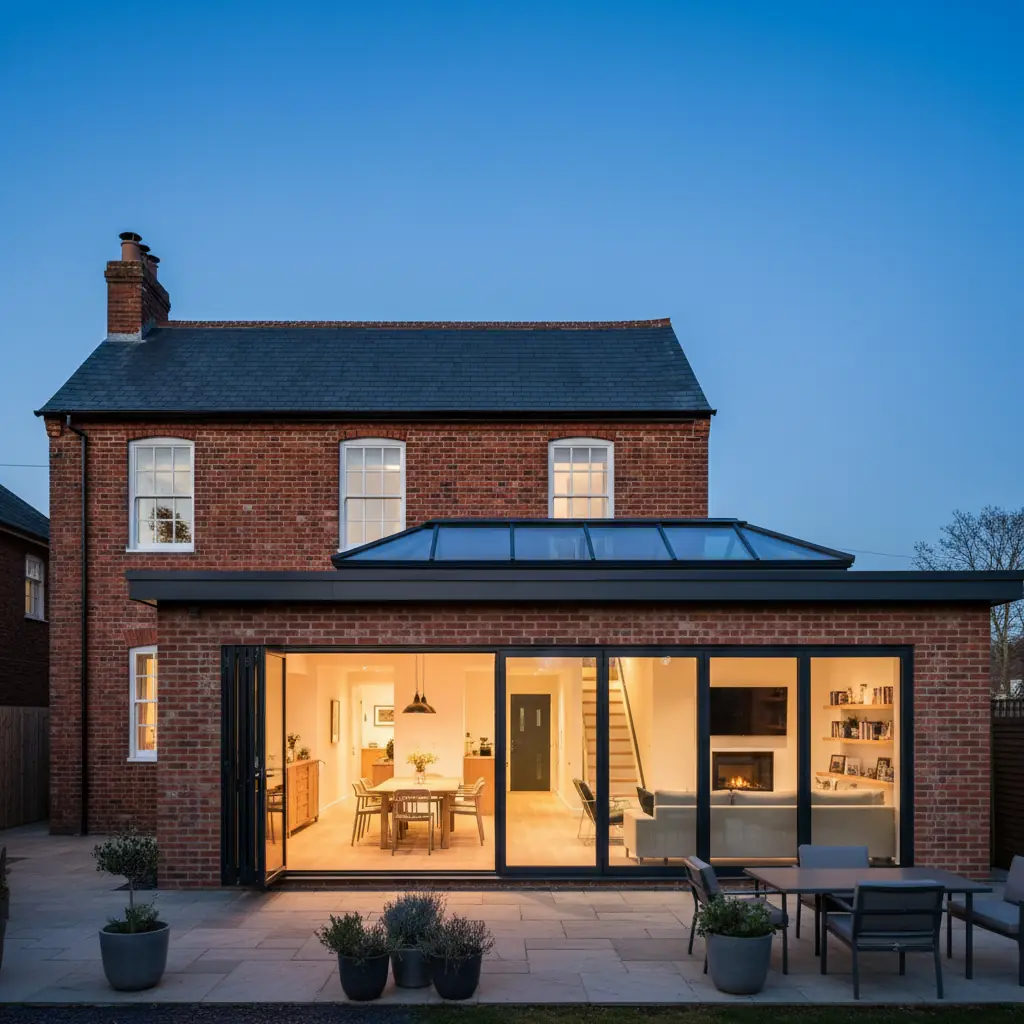
Permitted development is a national set of rules that gives homeowners permission to carry out certain kinds of work without applying. A modest single storey extension at the back of a house often falls under it. The rules set limits on how far the extension can reach, how tall it can be and what it can be built from. Our guide to permitted development rights explains how this works.
When you probably do
You're more likely to need planning permission if:
- Your extension is larger than permitted development allows.
- You're building a double storey extension, especially at the side or front.
- The extension would sit in front of the main wall of the house that faces the road.
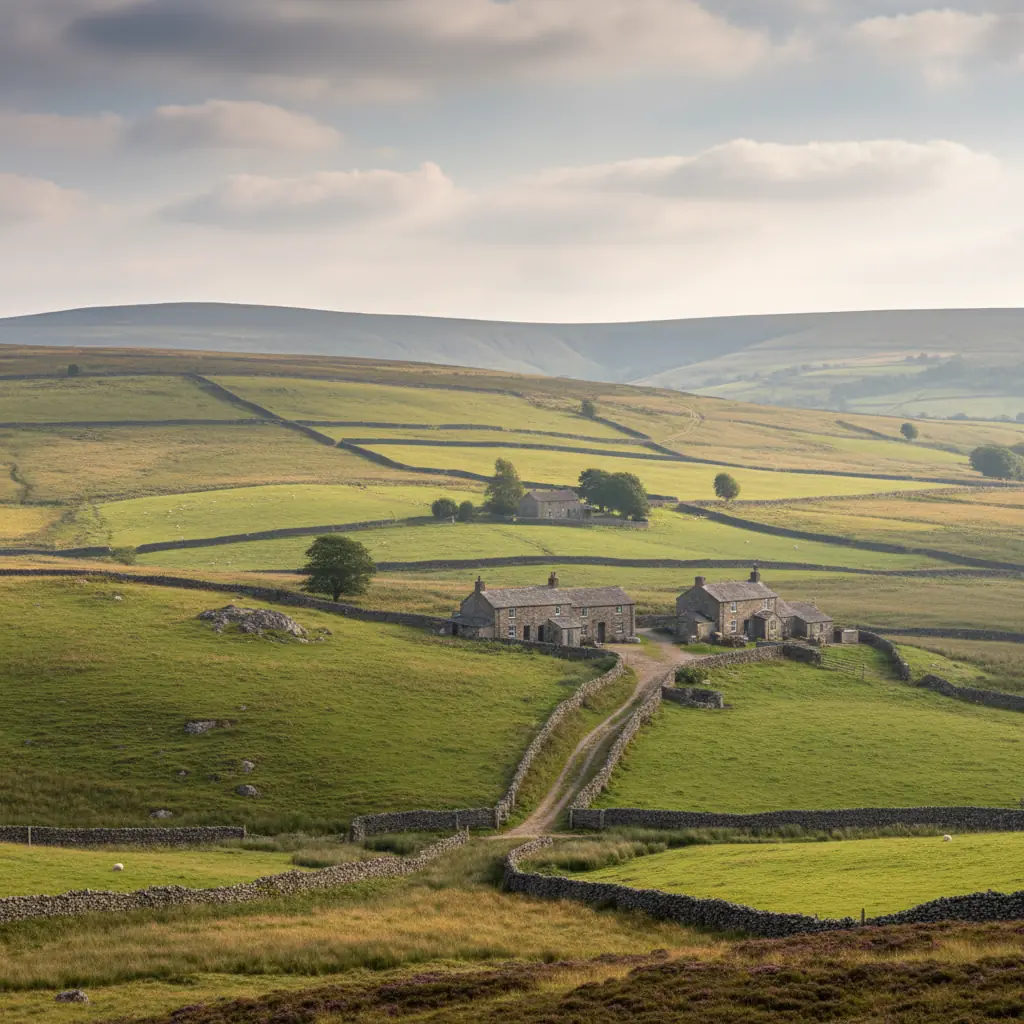
- Your home is listed, or in a conservation area, a National Park or another protected area. Our guide to extending near the Peak District National Park or in a conservation area covers this.
- Your home is a flat or a maisonette, which don't have the same permitted development rights.
- Your council has removed permitted development rights in your area, or a condition on your original planning permission says so.
- Earlier extensions have already used up your allowance.
How to check
- Look at your property's planning history. Your council's website often shows previous applications. This will tell you about earlier extensions and any conditions.
- Check whether you're in a protected area. Conservation areas and similar designations are usually shown on the council's online maps.
- Ask the council. Many councils offer a pre-application advice service, sometimes for a fee, which gives you a view before you spend money on plans.
- Consider a lawful development certificate. If you think your project is permitted development, you can apply for a certificate that proves it. It's optional, but it can be useful when you come to sell.
What happens if you apply
Householder applications are normally decided within eight weeks, though it can take longer. The council will consider things like the size of the extension, how it looks, and its effect on your neighbours' light and privacy. Neighbours will be told and can comment.
Planning permission is not the only permission
Even if you don't need planning permission, you'll almost certainly need building regulations approval. Read our guide to building regulations for extensions. If you're building next to a neighbour, you might also need a party wall agreement.