The short answer
The building work itself usually takes weeks or months, depending on the size and type of extension. But the whole journey, from your first idea to moving in, takes a good deal longer once design, permissions and lead times are added. Here's what the stages look like.
The stages of an extension
- Deciding what you want. Working out what you need, what you can afford and what's possible.
- Design and drawings. Plans have to be drawn up. This can take a few weeks, depending on how quickly decisions are made.
- Planning permission, if needed. Householder applications are normally decided within eight weeks, though sometimes longer. If you're covered by permitted development, you can skip this stage.
- Building regulations approval. This can run alongside planning. See our guide on building regulations.
- Choosing a builder and agreeing a start date. Good builders are often booked up in advance, so allow for a wait.
- Ordering materials. Some items, such as bespoke windows, large sliding doors and steelwork, can take weeks to arrive.
- Groundworks and foundations. The first stage on site. Weather can make a difference.
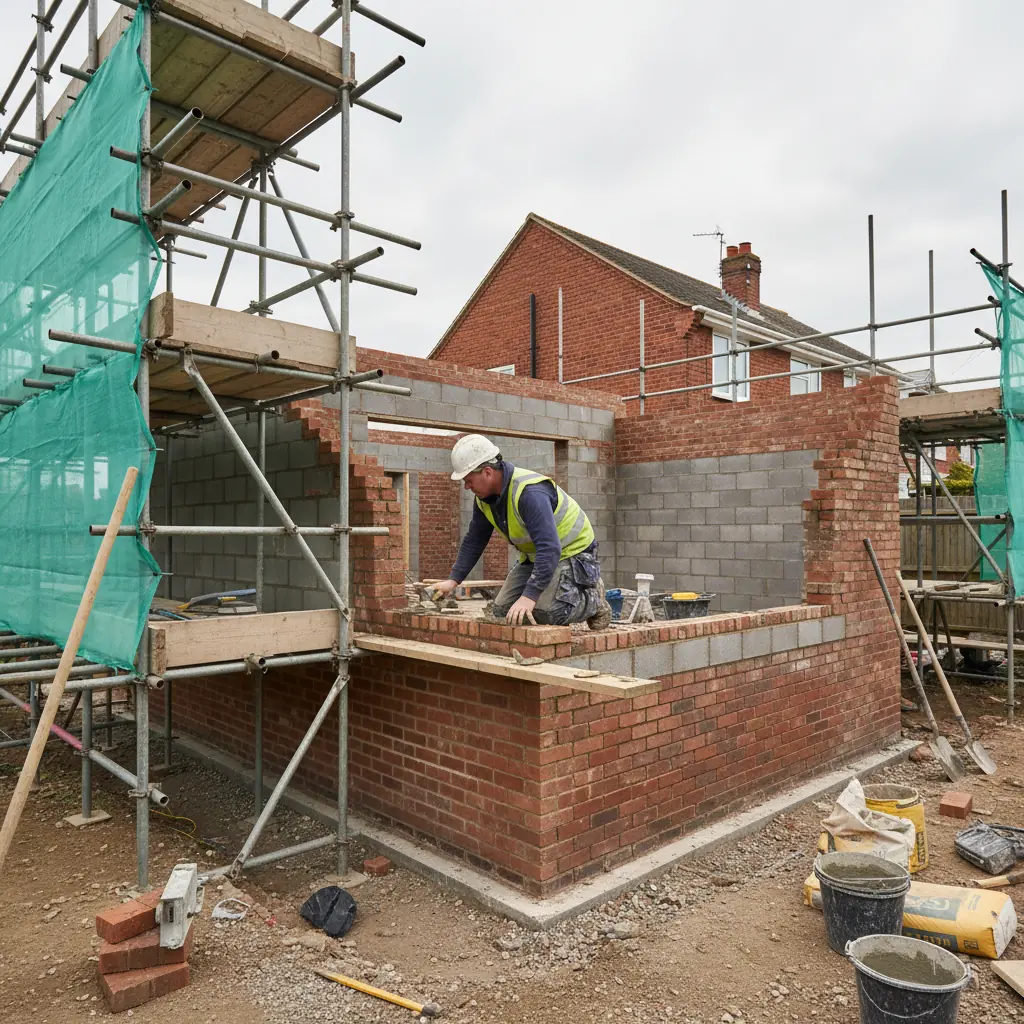
- Walls and roof. The structure goes up and the building is made weathertight.
- First fix. Pipes and cables go in before the walls are plastered.
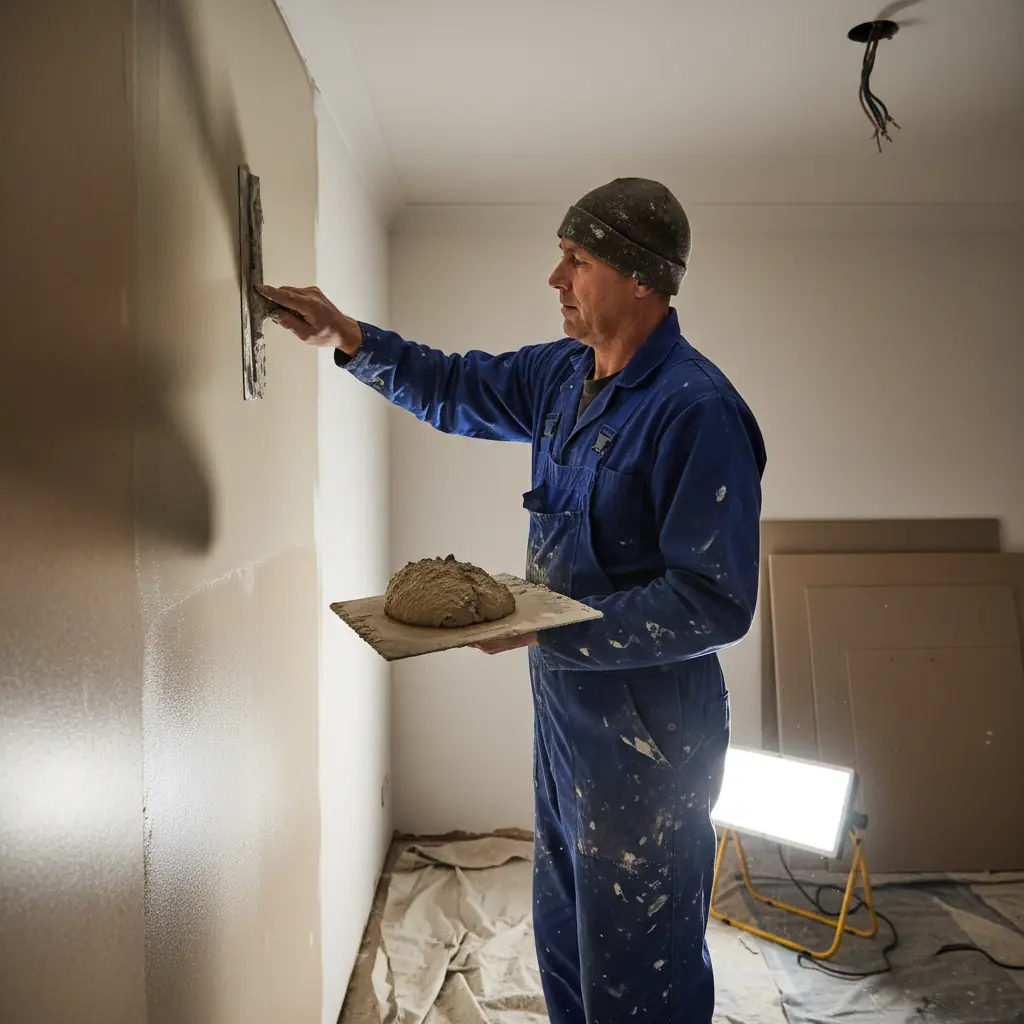
- Plastering and drying. New plaster has to dry before anything else is done to it.
- Second fix and finishes. Joinery, tiling, flooring and fittings go in.
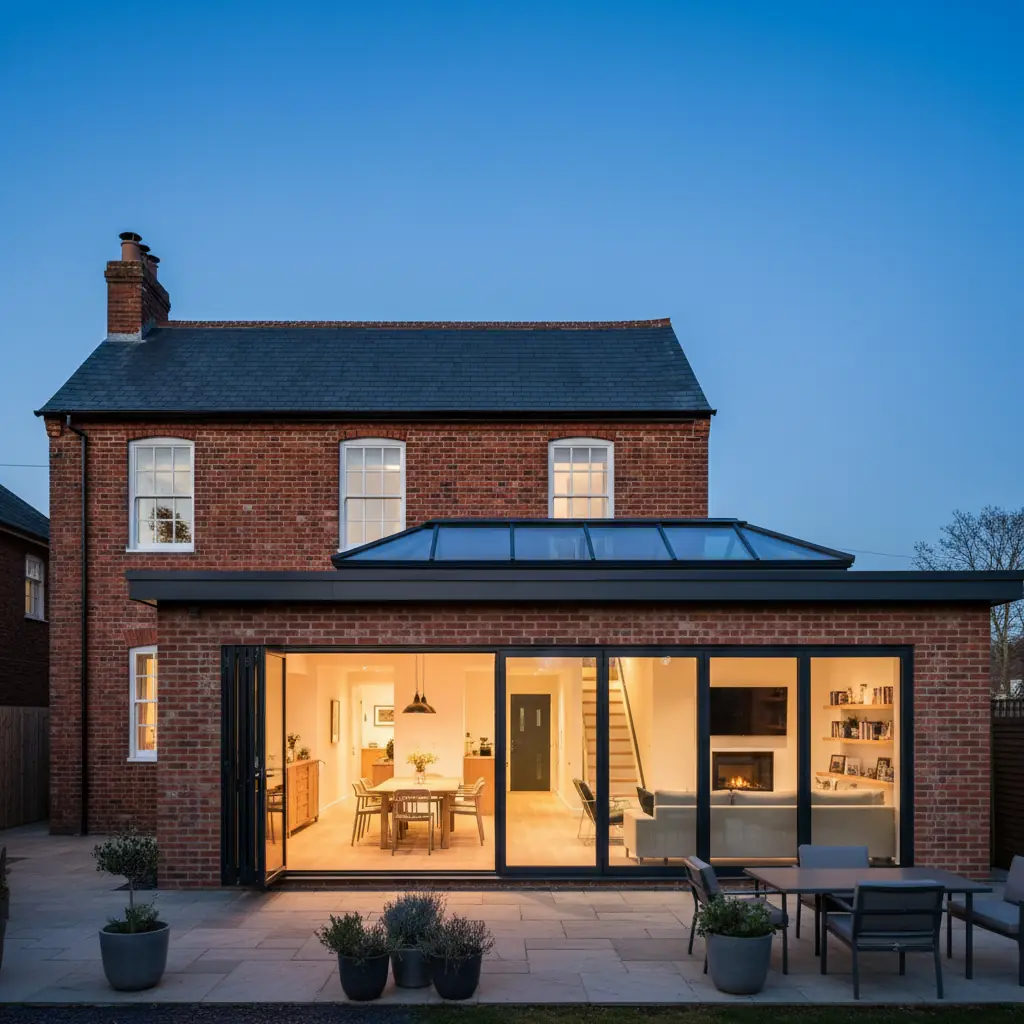
- Final checks and handover. Building control gives its final inspection, and we go through everything with you.
What affects the time
Size and type. A small single storey extension takes much less time than a large double storey extension.
The weather. Digging, bricklaying and roofing all depend on it, and winter can slow things down.
Lead times. Waiting for windows, doors or steel can hold up the job if they aren't ordered early.
Ground and structure. Unexpected conditions in the ground, or surprises when the existing house is opened up, take time to deal with.
Inspections. Building control inspections have to happen at set points, so work sometimes pauses until they've taken place.
Changes of mind. Changing the design partway through is one of the most common reasons for delay. It's much easier to make decisions before work starts.
How to keep things moving
- Decide on your layout, windows and finishes before the build begins.
- Order long lead items as soon as the design is settled.
- Make sure permissions are in place before booking a start date.
- Tell your builder early about anything that could affect access or timing.
- Keep a clear line of communication with your builder, so questions are answered quickly.
Living at home during the build
Most people stay at home through an extension, and they get used to the noise and dust. If you work from home, have young children or have health needs, it's worth telling us in advance, so we can plan the work to suit.